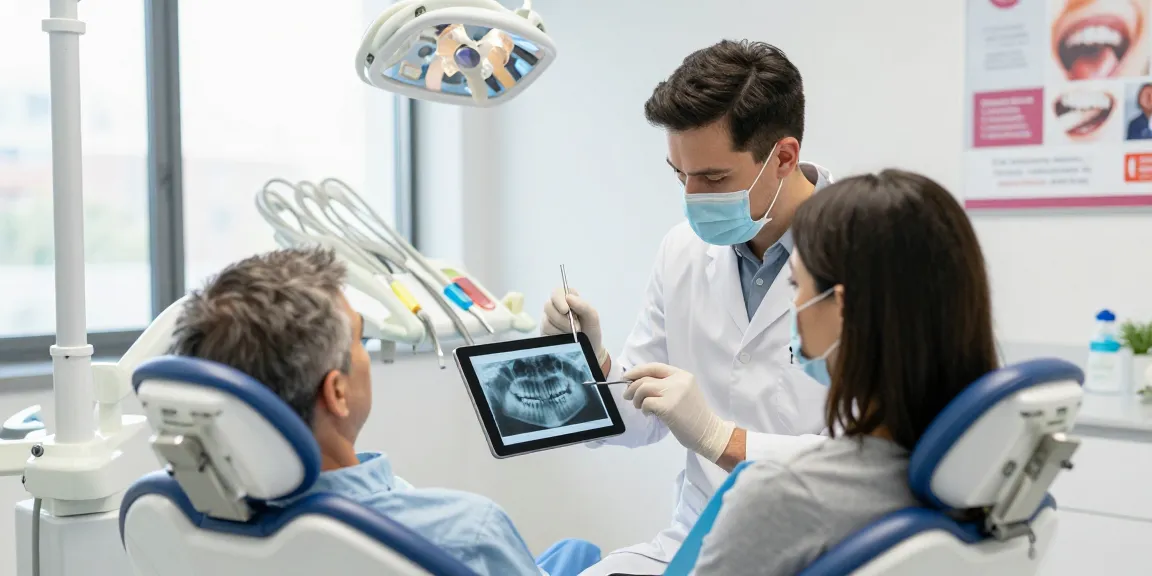
Understanding Dental Malpractice in Turkey
Dental malpractice is a critical issue that affects patients seeking dental care in Turkey. As the dental industry in Turkey continues to grow, so does the importance of understanding the legal and medical framework surrounding dental procedures. Patients deserve to receive proper care, and when they don’t, it may constitute malpractice. For those considering dental treatment in Turkey, understanding the intricacies of Dental Malpractice in Turkey is essential for making informed decisions.
What Constitutes Dental Malpractice?
Dental malpractice occurs when a dentist fails to provide the standard level of care, resulting in harm to the patient. This negligence can take many forms, including improper diagnosis, failure to obtain informed consent, inadequate treatment, and errors during procedures. For a case to qualify as malpractice, it must typically meet several criteria:
- Establishment of a Dentist-Patient Relationship: There must be a clear relationship, indicating that the dentist had a duty to provide care.
- Negligence: The dentist must have acted in a way that a reasonably competent dentist would not have, leading to patient injury.
- Damages: The patient must have suffered actual harm, such as physical pain, emotional distress, or financial loss.
Common Cases of Dental Malpractice
Typical examples of dental malpractice cases in Turkey include:
- Misdiagnosis: Failing to properly diagnose oral health conditions such as gum disease or oral cancer.
- Inadequate Treatment: Not following appropriate protocols for procedures like root canals or tooth extractions.
- Improper Use of Anesthesia: Administering too much or too little anesthesia, leading to complications.
- Failure to Refer: Not referring patients to specialists when necessary.
Legal Framework Governing Dental Care in Turkey
The legal framework concerning dental care in Turkey is shaped by various laws, regulations, and professional standards. Dentists are required to adhere to the Turkish Medical Association’s guidelines and the ethical codes that govern medical professions. In cases of alleged malpractice, patients can file complaints with the Turkish Dental Association, which investigates and provides recommendations. Additionally, patients can pursue legal action through civil courts for compensation if they can prove their case.
Key Myths About Dental Malpractice
Myth 1: All Dental Complications Are Malpractice
One prevalent myth is that any negative outcome from dental treatment qualifies as malpractice. However, not all complications arise from negligence. Dental procedures inherently carry risks, and complications can occur even with the best care. Distinguishing between routine complications and instances of malpractice is crucial for patients.
Myth 2: Only Severe Errors Count as Malpractice
Many individuals believe that only significant errors, such as a dentist pulling the wrong tooth, can be classified as malpractice. In reality, even minor mistakes that lead to patient harm can be grounds for a malpractice claim. It’s essential to recognize that malpractice encompasses a broad range of negligent behavior.
Myth 3: Malpractice Claims Are Always Successful
Another common misconception is that if a patient files a malpractice claim, they will automatically win. The reality is that these cases can be complex and challenging to prove. Successful claims require substantial evidence proving that negligence occurred and resulted in harm.
Identifying Symptoms of Dental Malpractice
Signs of Negligence in Dental Procedures
Patients should be vigilant for signs that may indicate negligence. Common symptoms include:
- Persistent pain or discomfort following a procedure.
- Infections that arise due to improper care.
- Delayed healing or complications that should not occur.
- Unexplained changes in oral health or appearance.
When to Seek a Second Opinion
It is advisable to seek a second opinion if a patient is unsure about a diagnosis or treatment plan. This is especially critical if symptoms persist or worsen after treatment. A second opinion can provide clarity and may uncover potential malpractice.
Documenting Your Dental Experience Effectively
Documentation plays a vital role in establishing a case of dental malpractice. Patients should keep detailed records of their treatment, including:
- Copies of dental records and treatment plans.
- Photographs of injuries or complications.
- Notes on conversations with dental professionals.
Legal Steps to Take After Experiencing Malpractice
Consulting with Dental Malpractice Experts
If a patient suspects they have been a victim of dental malpractice, consulting with a legal expert specializing in healthcare can provide valuable guidance. These professionals can assess the situation and help determine if pursuing a claim is appropriate.
Gathering Evidence for Your Case
Building a strong case requires gathering sufficient evidence. This includes:
- Medical records that document the treatment and complications.
- Expert testimony from other dental professionals.
- Evidence of damages, such as medical bills and lost wages.
Understanding Your Rights as a Patient
Patients have the right to receive safe and competent care. Understanding these rights is essential when navigating the aftermath of suspected malpractice. Knowledge of the legal avenues available for seeking justice can empower patients to take action if necessary.
Future Trends in Dental Care and Malpractice in Turkey
Advancements in Dental Technologies and Their Impact
As technology continues to evolve, advancements in dental care are transforming the landscape. Innovations like 3D printing and digital impressions are enhancing accuracy and reducing the likelihood of errors, which may lead to fewer malpractice claims in the future.
The Role of Telemedicine in Dental Consultations
Telemedicine is becoming increasingly important in dental care, allowing patients to consult with professionals remotely. This trend can help in early detection of issues and potentially reduce the need for more invasive treatments that could lead to malpractice claims.
Predictions for Dental Malpractice Litigation in 2026
As the dental landscape evolves, so too will the nature of malpractice litigation. With more patients becoming aware of their rights and the standards of care, an increase in claims may be observed. Ensuring proper documentation and adherence to standards will be crucial for dental professionals in mitigating legal risks.
What Are the Most Frequently Asked Questions?
How Do I Know If I Have a Legitimate Claim?
Determining whether a case qualifies as malpractice can be complex. Consulting with a legal expert who can evaluate the specifics of your situation is often the best course of action.
What Should I Expect During the Legal Process?
The legal process for a malpractice claim can vary widely. Generally, it involves investigation, filing a complaint, potentially going to trial, and may take several months to years to resolve.
What Are the Statute of Limitations for These Cases?
In Turkey, the statute of limitations for filing a dental malpractice lawsuit is typically two years from the date of the incident. However, this may vary based on specific circumstances, so it’s advisable to consult with a legal expert promptly.
Can I Seek Compensation for Emotional Distress?
Yes, patients can seek compensation for emotional distress, but proving these damages can be challenging. Clear documentation and evidence will be necessary to support such claims.