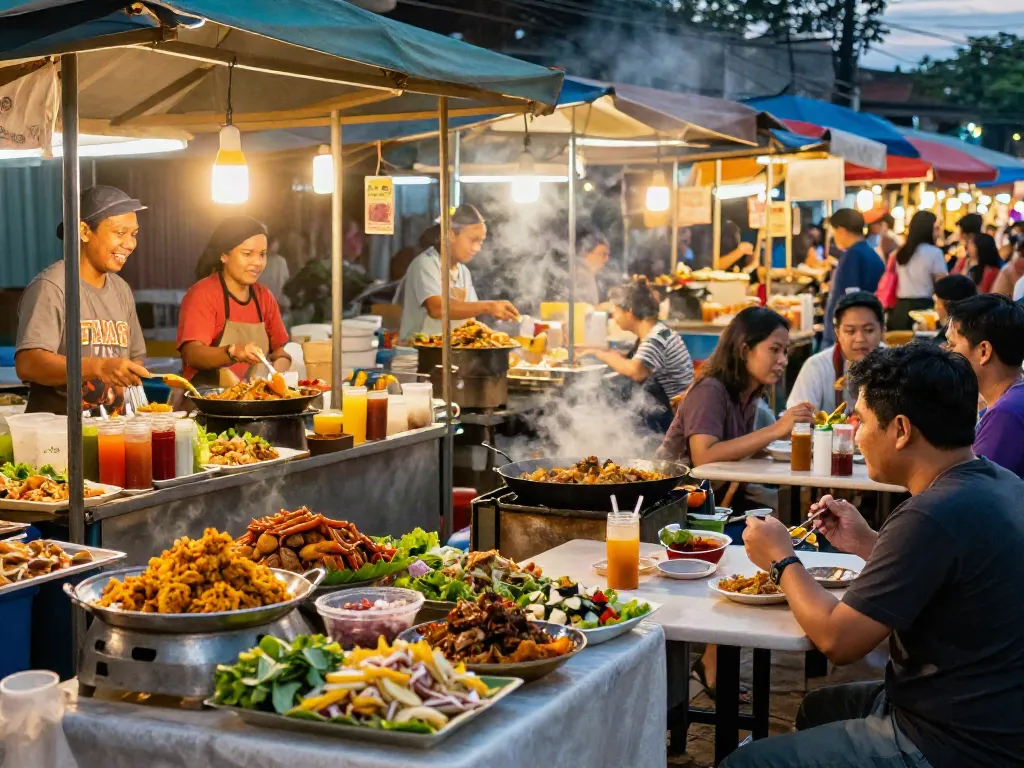
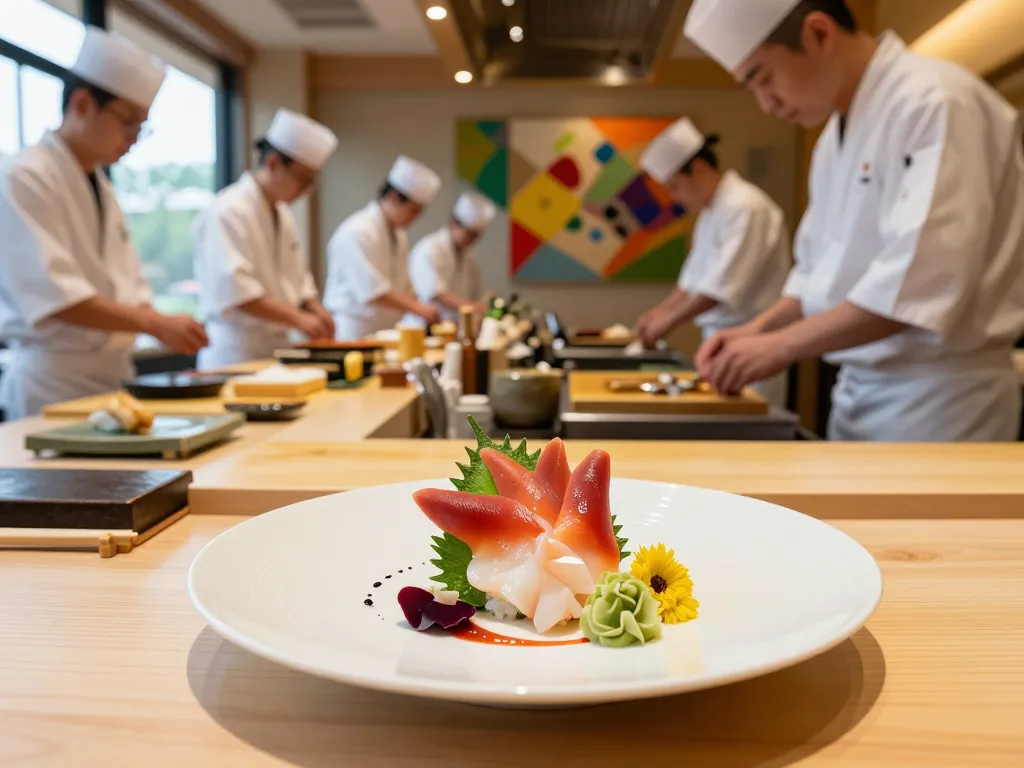
Understanding the Concept of Café Ambiance
Café ambiance is an essential aspect that significantly influences customer satisfaction and retention. A well-designed café environment invites patrons to relax, socialize, and enjoy their dining experience. The combination of elements such as décor, lighting, and music creates an inviting atmosphere that can enhance the overall enjoyment of the space. When exploring options, rokok88 provides comprehensive insights into crafting the perfect café setting.
What Makes a Café Welcoming?
Creating a welcoming atmosphere is crucial for any café aiming to attract and retain customers. Key factors include comfortable seating, approachable staff, and cleanliness. The café layout should encourage easy movement and interaction, enabling patrons to feel at home. Ergonomically designed furniture can significantly enhance comfort, while warm colors and personal touches contribute to a more inviting aesthetic.
The Role of Design in Customer Experience
The design of a café is not merely about aesthetics; it plays a vital role in shaping customers' experiences. Thoughtful design elements such as open spaces, intimate nooks, and communal tables can cater to diverse customer needs. Additionally, the strategic use of lighting—soft and warm during the evening, bright and energetic during the day—can complement the café's mood and purpose.
Creating a Unique Identity through Ambiance
Every café has its unique identity, often communicated through its ambiance. This identity can be reflected in the choice of furnishings, artwork, and even the menu. For example, a café that embraces a rustic theme might incorporate reclaimed wood tables, vintage lamps, and locally sourced art. Such unique touches can create memorable experiences that encourage word-of-mouth advertising and loyal customers.
The Psychology Behind Space and Seating Arrangements
The layout and seating arrangements within a café are critical in influencing customer behavior. The psychology of space plays a pivotal role in how people interact within the café environment.
How Layout Influences Customer Interaction
Research shows that the arrangement of tables and seating can either encourage or discourage social interaction. Open layouts tend to promote engagement, while closed-off corners may feel isolated. By designing an inclusive space where guests can easily connect, café owners can foster a sense of community and belonging.
The Importance of Comfort vs. Capacity
Balancing comfort with capacity is a perennial challenge in café design. While maximizing seating can drive revenue, overcrowded spaces can deter customers. Prioritizing comfort through the selection of appropriate furniture and spacing tables adequately can lead to a more enjoyable experience, encouraging patrons to linger longer and, ultimately, spend more.
Using Color and Texture to Evoke Emotions
Colors and textures can significantly affect mood and perception. Warm colors such as reds and yellows can stimulate appetite and create a sense of warmth, while cooler tones might promote calmness and relaxation. Similarly, mixing textures—like soft cushions with wooden tables—can enhance tactile experiences, making the environment more engaging and comfortable.
Incorporating Local Culture into Café Design
Infusing local culture into the café design presents an opportunity to create a unique sense of place that resonates with customers and the surrounding community.
Showcasing Regional Art and Music
Displaying local artwork and playing regional music not only enhances ambiance but also connects the café to its community roots. These elements can tell a story and create an immersive experience that resonates with both locals and tourists. Cafés often host local artists to showcase their work, turning the space into a dynamic cultural hub.
Menu Items that Reflect Local Traditions
Incorporating locally inspired food and drink options can attract customers interested in authentic experiences. By featuring dishes that highlight regional flavors or ingredients, cafés can create a unique culinary identity that stands out in a crowded market. Seasonal menus can also encourage repeat visits as customers look forward to tasting new offerings.
The Benefits of Community Engagement
Engaging with the community builds loyalty and a strong customer base. Hosting events, open mic nights, or themed gatherings can attract diverse groups and foster relationships. Community engagement not only enhances the café's visibility but also strengthens ties with local residents, contributing to a sense of belonging.
Trends and Innovations in Café Design for 2026
As consumer preferences evolve, so do café design trends. Keeping up with these changes is essential for staying competitive in the hospitality industry.
Eco-Friendly Materials and Sustainable Practices
The shift towards sustainability has led many cafés to adopt eco-friendly materials and practices. From using reclaimed wood and recycled furnishings to sourcing organic and local ingredients, sustainability is not only a trend but a consumer expectation. Cafés that prioritize environmental responsibility can differentiate themselves and appeal to a conscientious clientele.
Technology Integration for Enhanced Experience
Technology continues to reshape the café experience. From mobile ordering apps to cashless payments, integrating technology can streamline operations and enhance customer convenience. Additionally, offering high-quality Wi-Fi and charging stations can attract remote workers looking for a conducive workspace.
Flexible Spaces for Diverse Activities
Cafés are increasingly designing flexible spaces that can accommodate a variety of activities, from quiet study areas to vibrant social events. Adjustable seating arrangements and movable partitions enable cafés to transform their spaces to meet different needs throughout the day, maximizing utility and appeal.
Measuring Success: Ambiance and Customer Retention
Understanding the impact of ambiance on customer retention is key to a café's success. Analyzing customer feedback and sales trends can provide insights into how ambiance influences patron loyalty.
Customer Feedback and Improvement Strategies
Regularly seeking customer feedback can lead to valuable insights on what aspects of the café ambiance resonate with patrons. Utilizing surveys, comment cards, or social media engagement can highlight areas for improvement, enabling café owners to refine their offerings continually.
Analyzing Sales Trends Related to Ambiance Changes
Monitoring sales trends in response to ambiance changes can reveal valuable information about customer preferences. For example, a shift in décor or seating arrangement that leads to increased sales may indicate a positive reception among patrons, guiding future design decisions.
Building Loyalty through Exceptional Experiences
Creating exceptional customer experiences hinges on understanding the nuances of café ambiance. By focusing on the details—from scent and sound to comfort and aesthetics—cafés can establish a loyal clientele that returns time and again.